Scalp Ageing Treatment: Hair Density Science
Scalp ageing treatment: the science of preserving hair density examines follicle biology, early shifts, and personalized care that adapts over time.
HAAR Editorial
The HAAR editorial team — collective voice of our scalp longevity research.
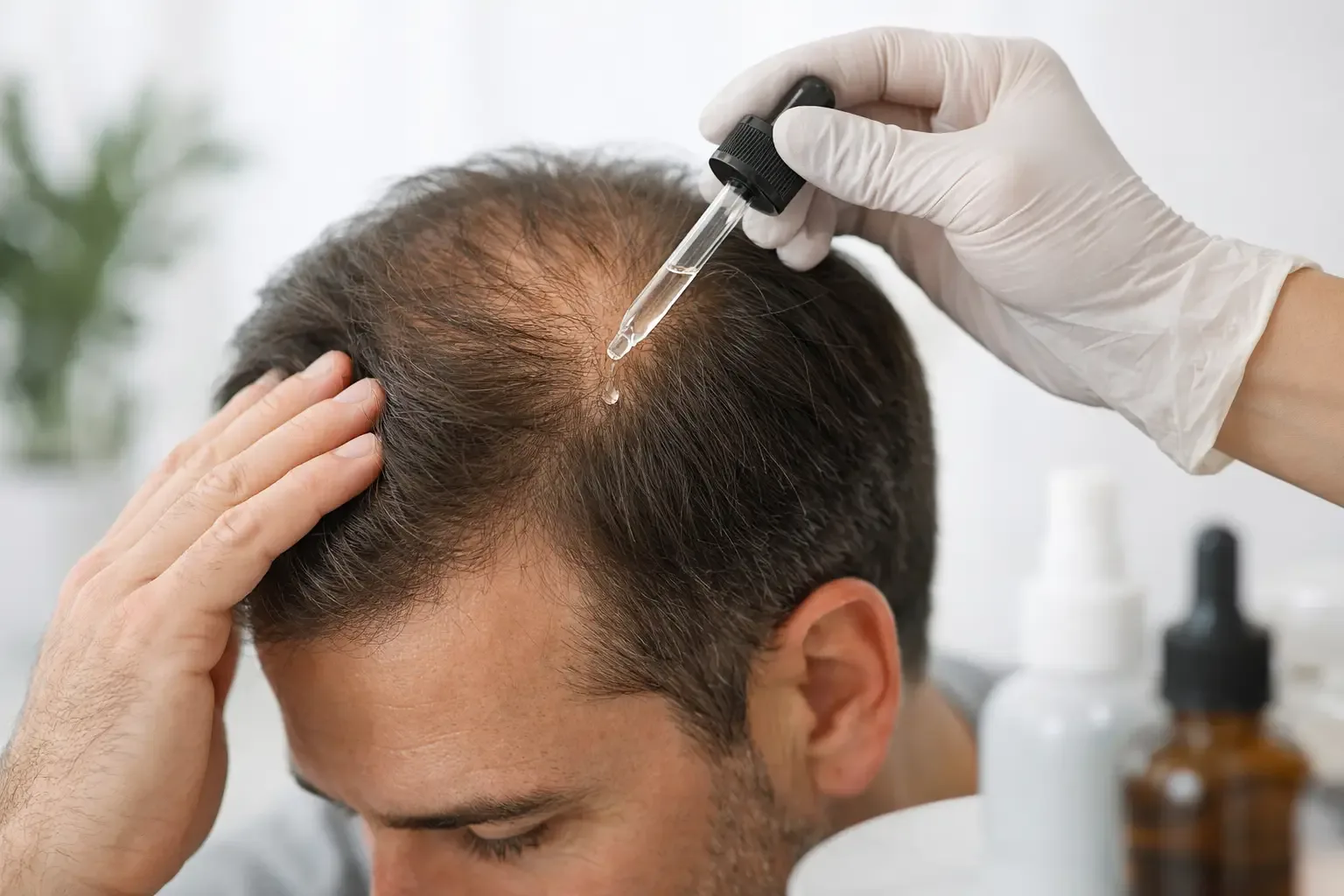
Hair density rarely changes all at once. It changes through quieter signals first: a scalp that feels less comfortable, roots that become oilier or drier than usual, finer regrowth, more visible parting, or hair that no longer holds the same fullness. Scalp ageing treatment: the science of preserving hair density begins here, before visible thinning becomes the only measure of concern.
For years, haircare has focused on the fiber. Shine, softness, volume, repair. These qualities matter, but they do not explain why density changes. Hair is produced by a living follicle within a responsive scalp environment. When that environment loses balance, the effects can eventually become visible along the hairline, part, and crown.
Preserving density is not about forcing faster growth. It is about protecting the conditions that allow follicles to keep producing strong, well-anchored hair over time.
The scalp ages before the hair tells you
Scalp ageing is not defined by a birthday. It is the gradual change in how the scalp regulates oil, moisture, inflammation, cellular renewal, circulation, and barrier function. These systems are interconnected. A shift in one can affect the others.
The follicle is especially sensitive to its local environment. Each follicle moves through a growth cycle: anagen, the active growth phase; catagen, a brief transition; and telogen, a resting phase before shedding. With age, genetic predisposition, chronic stress, nutritional changes, hormonal shifts, and environmental exposure, the growth phase can shorten. New hairs may also emerge with a finer diameter.
This process is often called miniaturization when it is associated with pattern hair loss. It is not always the cause of reduced density, but it is one reason why a person can feel that their hair is thinning even when daily shedding seems normal. The issue is not only how many hairs are present. It is also the caliber, growth duration, and retention of each strand.
A scalp can also become more reactive with time. Excess sebum, persistent buildup, irritation, flaking, and impaired barrier function may create conditions that undermine scalp comfort and healthy follicular activity. These concerns deserve attention early, not after they have become a permanent part of the routine.
Hair density is a biological outcome
Density is often treated as a cosmetic objective. Biologically, it is an output of many variables working together: follicle count, follicle activity, hair-shaft diameter, cycle timing, scalp condition, and breakage control.
Some factors are modifiable. Others are not. Genetics, for example, strongly influence how follicles respond to androgens and how likely a person is to experience pattern thinning. No topical routine can rewrite inherited biology. But informed scalp care can reduce avoidable stressors, support a healthier scalp environment, and help identify changes early enough for appropriate action.
This distinction matters. Premium care should not make inflated promises about restoring every lost follicle. A credible scalp longevity approach focuses on what can be measured, managed, and adjusted. It recognizes the difference between cosmetic fullness, reduced breakage, temporary shedding, and progressive follicular change.
The role of inflammation and barrier stress
Low-grade scalp inflammation does not always announce itself with dramatic redness or itching. It can be intermittent and easy to dismiss. Yet recurring irritation, microbial imbalance, residue buildup, UV exposure, and aggressive cleansing can disturb the scalp barrier over time.
A compromised barrier may feel tight after washing, itchy by late afternoon, or alternately oily and dry. In humid, high-UV environments such as Singapore, sweat, pollution, frequent washing, and air-conditioned interiors can add to that variability. The correct response is not automatically stronger cleansing. Over-cleansing can strip lipids and increase reactivity, while under-cleansing may allow oil and residue to accumulate.
The goal is regulation. The scalp should be clean enough to support comfort and renewal, while retaining the barrier function needed for resilience.
The role of oxidative exposure
Follicles are metabolically active structures. They are affected by oxidative stress, which can be increased by UV radiation, pollution, smoking, poor sleep, and ongoing psychological stress. Oxidative stress is not a single visible event. It is cumulative biological pressure.
Protective strategies are therefore not limited to a single serum or supplement. They include scalp-appropriate cleansing, minimizing unnecessary irritation, managing exposure where practical, and maintaining the broader health habits that influence recovery. A targeted formula may be valuable, but it works best as part of a coherent protocol rather than as a standalone rescue product.
Why personalization is now the standard
A fixed hair routine assumes the scalp behaves the same way all year. It does not. Oil production shifts with climate, stress, exercise, hormonal changes, and product use. Barrier needs can change after travel, coloring, illness, or a demanding period at work. Density concerns may coexist with sensitivity, buildup, dandruff, or breakage, and each combination requires a different emphasis.
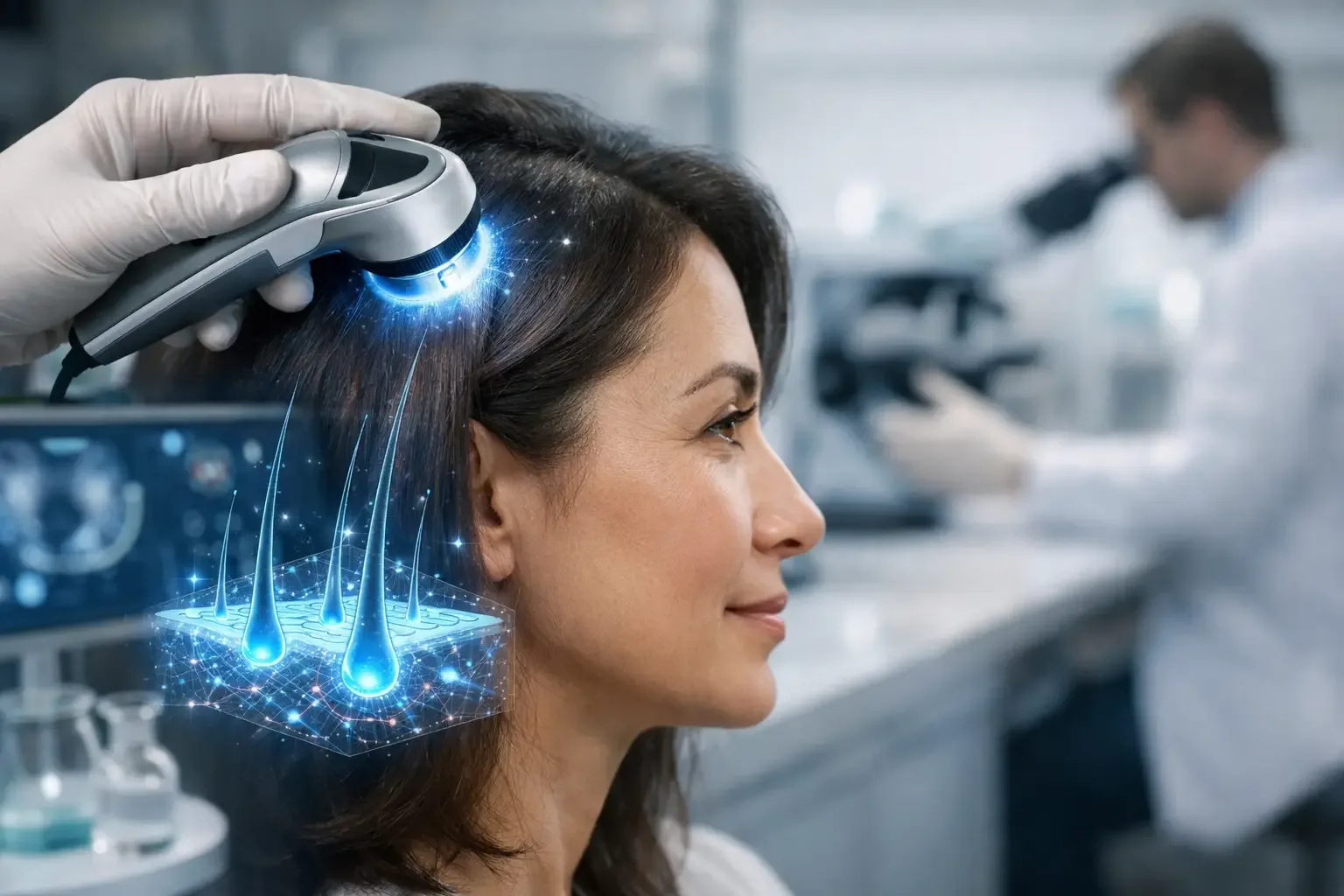
This is why scalp analysis has become central to modern prevention. A meaningful assessment looks beyond visible flakes or hair texture. It considers scalp oil balance, sensitivity markers, accumulation, follicular distribution, visible density patterns, and the person’s history of shedding or change.
AI-supported analysis can make these observations more consistent and easier to track over time. It should not be mistaken for a medical diagnosis. Its value is in identifying patterns, creating a baseline, and helping personalize care as the scalp changes. The strongest systems combine digital assessment with realistic interpretation and a clear referral path when clinical evaluation is needed.
HAAR approaches this through an Adaptive Scalp Longevity System™: care is selected around the scalp’s current biological signature, then refined as that signature changes. The principle is simple. Treat the condition present, not the condition assumed.
A scalp ageing treatment should work in phases
The most effective approach is rarely a crowded shelf of products introduced at once. It is a staged plan with a clear purpose.
First comes stabilization. If the scalp is congested, highly oily, flaky, or reactive, the immediate priority is restoring comfort and balance. This may involve adjusting cleansing frequency, improving removal of sweat and buildup, and using targeted supportive treatments that do not overwhelm the barrier.
Next comes renewal. Once the scalp is more stable, focused treatments can support the environment around the follicle and help address concerns such as weakened-looking roots, uneven scalp condition, or early visible reduction in fullness. Consistency matters more than intensity. A treatment used correctly for several months is more useful than an aggressive routine abandoned after two weeks.
Then comes maintenance. Scalp ageing does not pause when symptoms improve. Seasonal exposure, lifestyle pressure, hormonal transitions, and natural biological ageing continue. Maintenance protects progress by adapting the protocol rather than reverting to generic care.
This phased model also prevents a common mistake: treating every concern as hair loss. Some people need better scalp regulation. Some need breakage control. Some need clinical support for progressive thinning. A precise plan begins by separating these needs.
When scalp care is not enough
Scalp-first care is foundational, but it has limits. Sudden shedding, patchy loss, scalp pain, scarring, pronounced redness, or a rapidly widening part should be assessed by a dermatologist or qualified medical professional. The same applies to persistent shedding after a major illness, childbirth, significant weight change, or medication adjustment.
Medical causes can include androgenetic alopecia, telogen effluvium, alopecia areata, thyroid disorders, iron deficiency, and inflammatory scalp conditions. Early evaluation can protect options. Waiting for visible loss to become severe can make treatment more difficult.
A premium protocol should never delay appropriate care. It should help people recognize when professional diagnosis is the next responsible step.
The new standard: responsive, not reactive
The future of hair density is not a miracle ingredient or a one-time scalp detox. It is earlier observation, better differentiation, and care that responds to real biological change.
The most valuable question is no longer, “What product makes hair look thicker?” It is, “What is changing at the scalp level, and what does this scalp need now?”
That shift turns haircare into longevity care. It respects density as something built gradually, protected deliberately, and supported through every changing season of life.